Emergency stabilization and safety
Board-up of compromised openings, temporary weather protection, and hazard checks for damaged drywall, loose ceilings, and unstable materials before deeper work begins.
Serving Los Angeles CA & surrounding areas
24/7 Emergency Response
Fast, careful recovery after a fire. Debris removal, smoke and soot cleanup, deodorization, and coordinated repairs help make your home or business safe to re-enter and rebuild.
Clear action after a fire
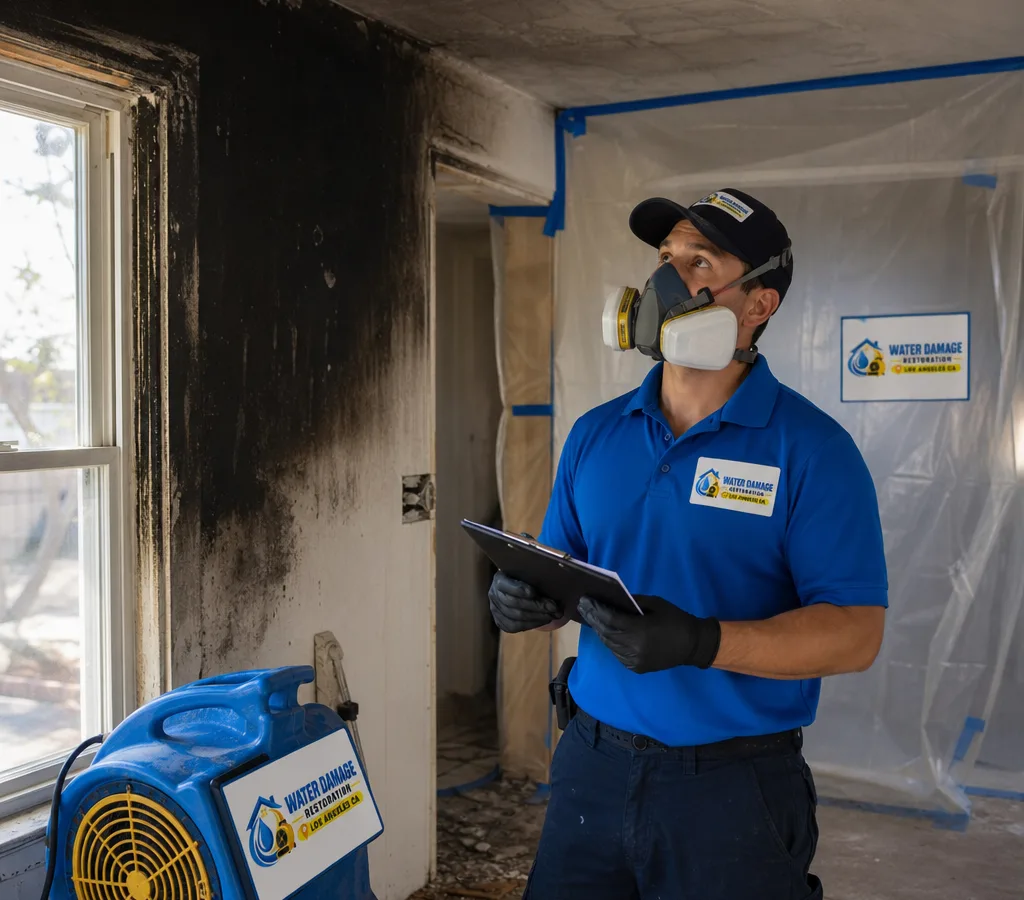
If you are searching for fire damage restoration Los Angeles, you likely need answers and action, not guesswork. Fire leaves more than burned materials. Soot can travel through HVAC, smoke odor can settle into drywall and framing, and water used for suppression can soak floors and insulation.
Our team at Water Damage Restoration Los Angeles CA helps property owners across Los Angeles, CA, including the 90001 area, stabilize the structure, remove unsafe debris, clean and deodorize impacted materials, and plan the rebuild path. We work room by room with documented photos and notes so you have a clear scope of what happened, what is salvageable, and what must be removed.
You can expect straightforward communication about what is safe to enter, what needs to be isolated, which cleanup methods will be used, and which repairs are required. If firefighting efforts caused water intrusion, our Los Angeles water restoration team can coordinate drying and moisture control as part of the recovery plan.
Source removal through rebuild planning
Board-up of compromised openings, temporary weather protection, and hazard checks for damaged drywall, loose ceilings, and unstable materials before deeper work begins.
Removal of charred contents and non-salvageable building materials with containment to limit soot spread to unaffected rooms.
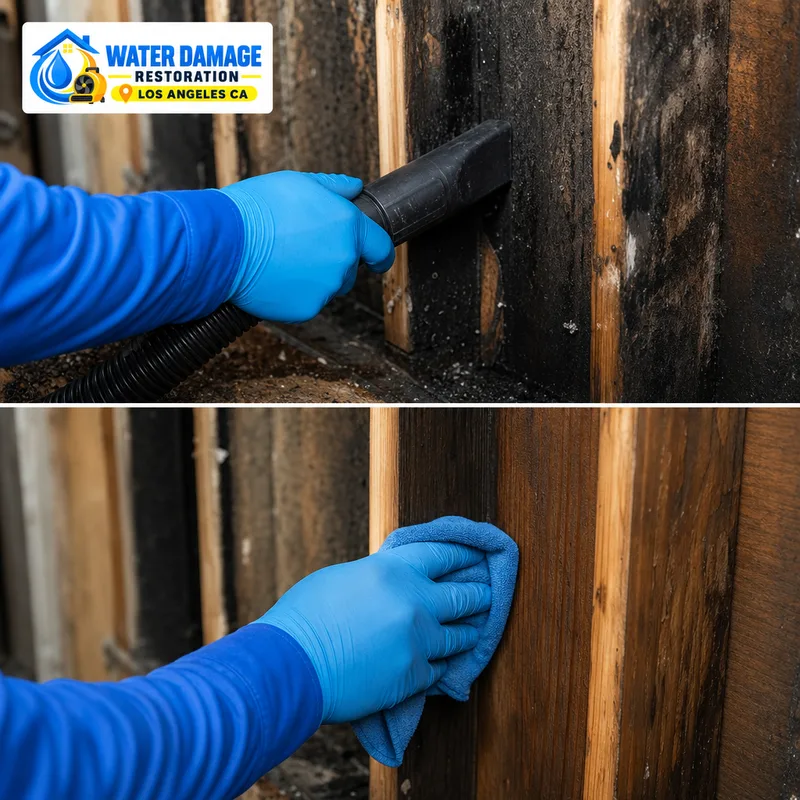
Dry-cleaning and wet-cleaning methods are matched to painted drywall, brick, framing, and metal to remove staining and corrosive residues.
Deodorization may use hydroxyl or ozone when appropriate and unoccupied, plus thermal fogging or targeted sealing where odor is locked into porous materials.
Filter replacement and source removal around returns and registers, with duct-cleaning coordination when significant smoke migration has occurred.
A written scope identifies what gets cleaned, removed, and rebuilt so trades can restore finishes to pre-loss condition.
A plan shaped by the property
Fire restoration is never one-size-fits-all, and Los Angeles properties can vary widely by age, layout, and materials.
In older housing stock, soot can hide in wall cavities and attic spaces, and layered paint and plaster can react differently to cleaning agents than modern drywall. In denser neighborhoods with shared walls, smoke odor can migrate into adjacent units through gaps, chases, and ventilation pathways, so containment and negative air pressure become more important.
We also plan around LA access, including tight driveways, alley loading, multi-story walk-ups, and occupied buildings where only certain hours are available for noisy demolition or equipment placement. The goal is to stop ongoing damage, remove contamination at the source, and restore the space so it is safe and livable.
For condos and apartments, we can coordinate elevator protection, material staging, and common-area rules with building management while keeping your unit's scope clearly separated from the building's responsibilities.
From hazards to final walkthrough
We start with compromised ceilings, sharp debris, soot fallout, electrical concerns, and standing water. You receive a clear plan for what can be entered and what needs isolation.
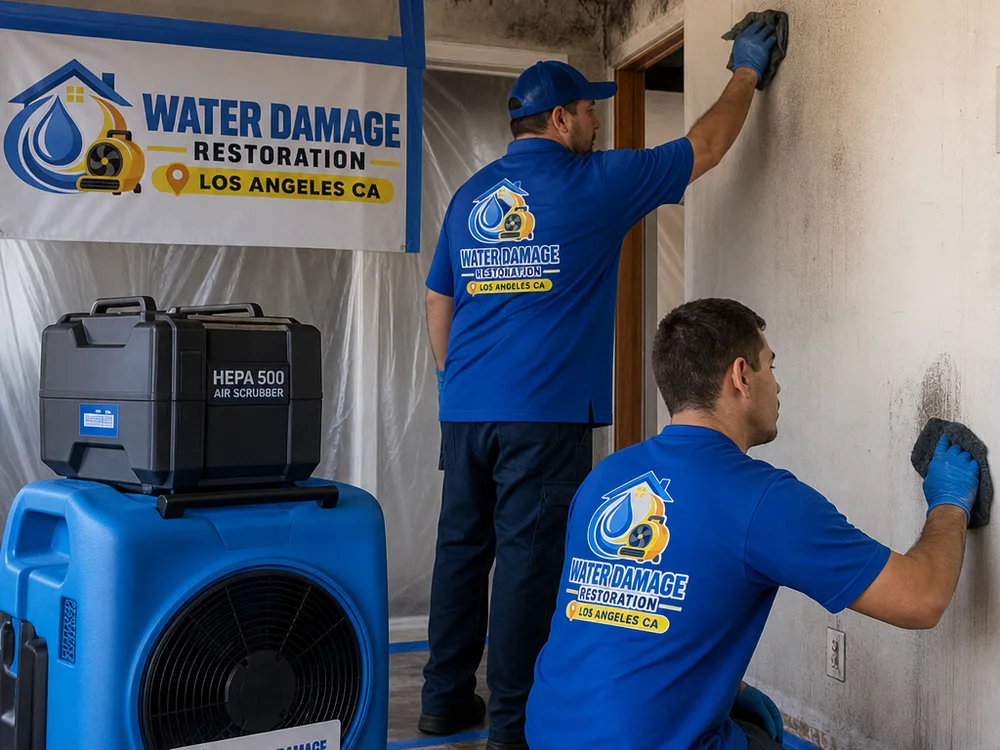
Dust barriers and, when needed, negative air with HEPA filtration help keep soot from migrating into clean areas during cleanup and demolition.
We identify what can be cleaned versus what is non-salvageable, then protect or remove contents so structural cleaning can be completed correctly.
We match the method to the residue and surface. Dry sponge cleaning and HEPA vacuuming often come first, followed by wet cleaning where appropriate.
Odor is handled by removing the source first. When smoke has penetrated porous materials, sealing may be recommended after cleaning to prevent odors from returning in warm weather.
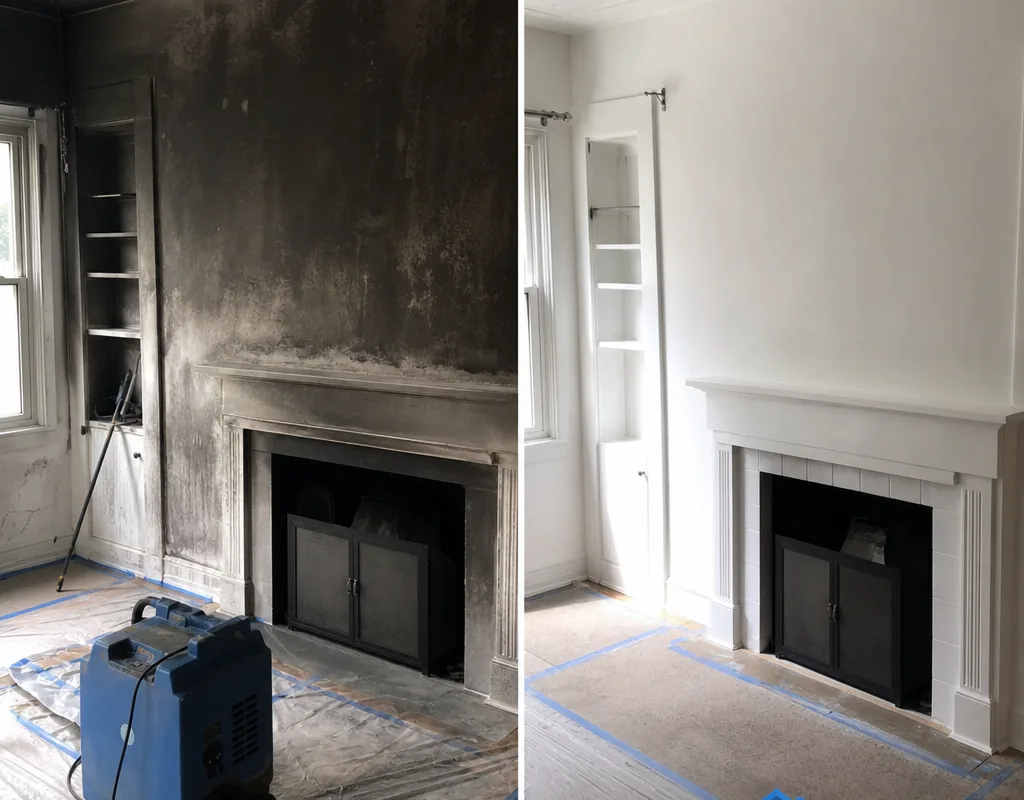
After cleaning and deodorization, we confirm what remains to rebuild, including drywall, insulation, flooring, paint, and cabinetry, then walk the space with you.
Planning the recovery
Fire damage restoration in Los Angeles typically ranges from about $3,000 to $12,000 for smaller, contained losses. Heavier smoke and soot impact with demolition and rebuild coordination often runs $15,000 to $60,000 or more, depending on how many rooms are affected.
Price changes most with the size of the affected area, whether the HVAC system and wall cavities were contaminated, how much material must be removed, the level of odor penetration, and access constraints such as multi-story units or limited staging. Exact cost is confirmed after an on-site inspection and written scope of work.
Work performed with control and care
“After the fire, the smell and soot were everywhere, even in rooms that did not burn. They explained what could be cleaned, what had to come out, and kept the work area contained so the rest of the house did not get worse. The difference after deodorization was obvious.”
M. R.
“We needed a clear scope for insurance and a plan for repairs. The walkthrough was detailed, and the cleanup was handled in stages so we could track progress and decisions without feeling rushed.”
J. L.
Answers for the recovery ahead
Fire restoration should start as soon as the property is released for entry because soot is acidic and can stain or corrode surfaces over time. Early stabilization also reduces odor absorption into porous materials such as drywall, insulation, and framing, which can lower the amount of demolition required.
Smoke odor can usually be removed when the source is eliminated and the right deodorization method is used for the material. Odor returns when soot remains in hidden areas or porous materials were not removed or sealed after cleaning, especially when warm weather heats the structure.
It depends on soot spread, demolition needs, and whether air control is required. Limited occupancy may work if affected areas are fully contained and equipment is placed safely, but heavy contamination or strong odor treatment may require temporary relocation.
Non-porous items such as some metals, glass, and certain hard plastics often clean up well. Porous items such as mattresses, upholstered furniture, and some paper goods may not be salvageable when smoke odor has penetrated deeply. An early contents assessment helps identify realistic restoration options.
Yes. We can provide documentation that helps support the claim, including photos and a clear scope of work tied to affected areas and materials. Final coverage depends on your policy and adjuster, but organized documentation can reduce back-and-forth about what was impacted.
Small, contained losses can sometimes be cleaned and deodorized in a few days, while larger losses with demolition and rebuild planning can take weeks. Timing depends on smoke travel, material removal, drying needs from suppression water, and how quickly rebuild decisions are made.
Tell us what happened and what areas were affected. We will inspect the damage, explain the next steps, and outline a restoration plan that prioritizes safety, odor control, and a realistic path back to normal.